
本文字数:约 3800 字,预计阅读时间:18 分钟
Zencoder drops Zenflow, a free AI orchestration tool that pits Claude against OpenAI’s models to catch coding errors
Zencoder, a Silicon Valley startup that develops AI-powered coding agents, recently released Zenflow, a free desktop application designed to transform how software engineers interact with artificial intelligence. This innovative tool aims to move the industry beyond the current trend of "vibe coding" by introducing a more disciplined and verifiable approach to AI-assisted development. Zenflow introduces what the company describes as an "AI orchestration layer" that coordinates multiple AI agents to plan, implement, test, and review code in structured workflows.
According to Zencoder CEO Andrew Filev, the standard approach of typing requests into a chat interface and hoping for usable code works well for simple tasks but breaks down when it comes to complex enterprise projects. The company's internal engineering team claims to have achieved a roughly 2x increase in development velocity over the past year, not due to improvements in AI models themselves, but through restructuring their development processes.
Zenflow is built around four core capabilities:
- Structured workflows replace ad-hoc prompting with repeatable sequences.
- Spec-driven development requires AI agents to generate a technical specification before writing code.
- Multi-agent verification deploys different AI models to critique each other's work, reducing blind spots.
- Parallel execution allows developers to run multiple AI agents simultaneously in isolated sandboxes.
Zencoder's emphasis on verification addresses a persistent criticism of AI-generated code: its tendency to produce "slop" that appears correct but fails in production or degrades over time. The company's internal research found that developers who skip verification often fall into a "death loop" where they spend more time fixing problems than progressing.
Zenflow launches as a free desktop application, with updated plugins available for Visual Studio Code and JetBrains integrated development environments. Internal testing showed that replacing standard prompting with Zenflow's orchestration layer improved code correctness by approximately 20% on average.
Zencoder frames Zenflow as the first product in what it expects to become a significant new software category. The company believes every vendor focused on AI coding will eventually arrive at similar conclusions about the need for orchestration tools.

Zoom says it aced AI’s hardest exam. Critics say it copied off its neighbors.
Zoom Video Communications announced that it had achieved the highest score ever recorded on one of artificial intelligence's most demanding tests, the Humanity's Last Exam (HLE), scoring 48.1%. This achievement has sent ripples of surprise, skepticism, and curiosity through the technology industry. The HLE benchmark is designed to stump even the most advanced AI models, and Zoom's result edges out Google's Gemini 3 Pro, which held the previous record at 45.8%.
Zoom did not train its own large language model. Instead, it developed what it calls a "federated AI approach" — a system that routes queries to multiple existing models from OpenAI, Google, and Anthropic, then uses proprietary software to select, combine, and refine their outputs. At the heart of this system is what Zoom calls its "Z-scorer," a mechanism that evaluates responses from different models and chooses the best one for any given task.
The response from the AI community was swift and sharply divided. While some praised the technical approach, others criticized Zoom for merely integrating existing systems and not training its own models. Max Rumpf, an AI engineer, tweeted a pointed critique, stating that Zoom "strung together API calls to Gemini, GPT, Claude et al. and slightly improved on a benchmark that delivers no value for their customers."
However, others saw the achievement as an industry best practice. Hongcheng Zhu, a developer, offered a more measured assessment: "To top an AI eval, you will most likely need model federation, like what Zoom did."
Zoom's approach carries implications that extend well beyond benchmark leaderboards. The company is signaling a vision for enterprise AI that differs fundamentally from the model-centric strategies pursued by OpenAI, Anthropic, and Google. Rather than betting everything on building the single most capable model, Zoom is positioning itself as an orchestration layer that can integrate the best capabilities from multiple providers and deliver them through products that businesses already use every day.
Zoom's CTO Xuedong Huang, a veteran from Microsoft, frames the achievement as validation of Zoom's strategy: "We have unlocked stronger capabilities in exploration, reasoning, and multi-model collaboration, surpassing the performance limits of any single model." The debate will likely be settled not by leaderboards but by products, as users will render their own verdict on the practicality and effectiveness of the AI solutions.

英特尔,下一个 AI 时代的「卖铲人」
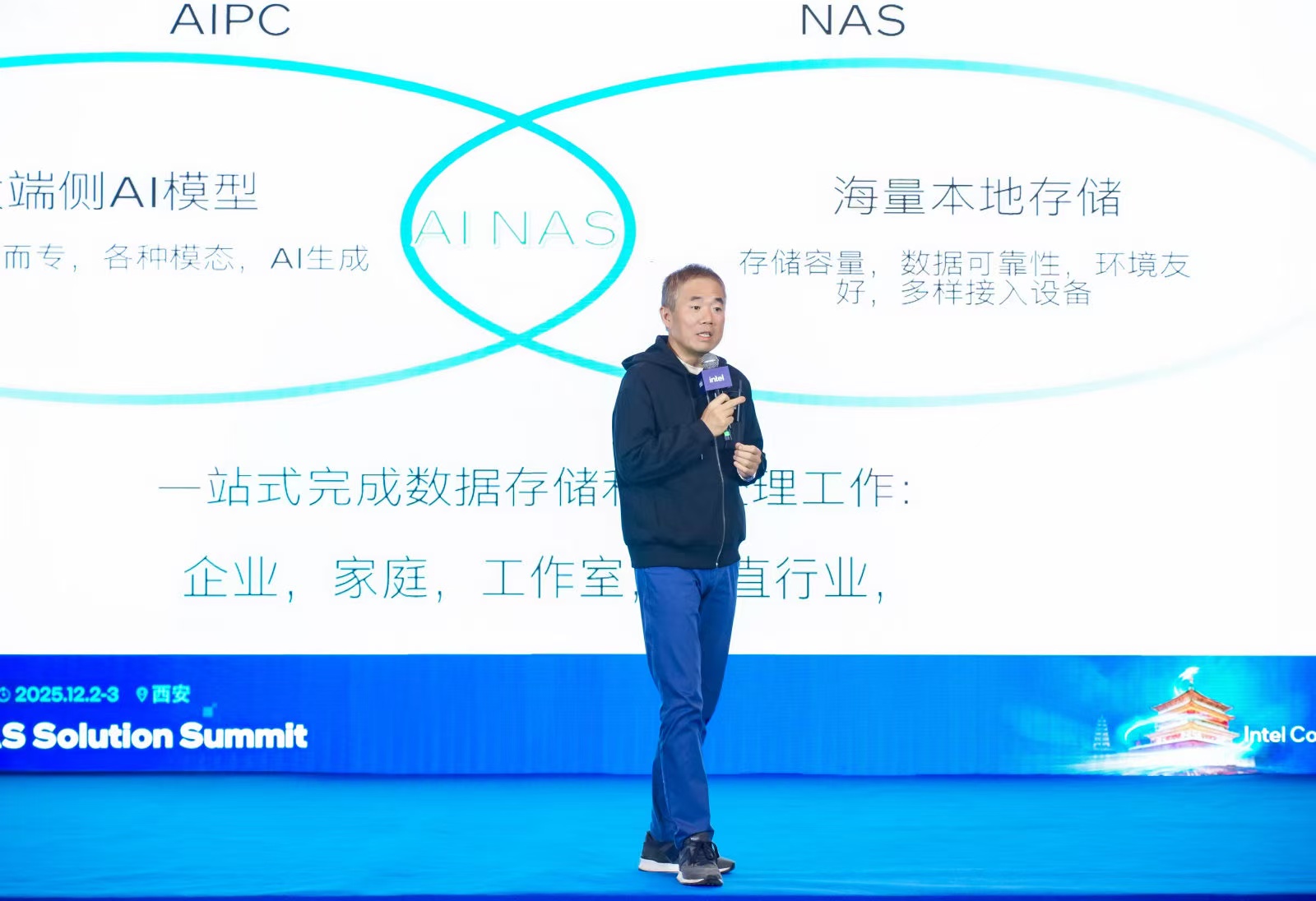
英特尔正试图通过重新定义存储环节,成为 AI 时代的「卖铲人」。在 2025 英特尔 AI NAS 解决方案峰会上,英特尔中国区技术部总经理高宇分享了对 NAS 存储趋势的观察,并指出英特尔正在通过 AI NAS,将 NAS 从一个简单的「容器」转变为「数据大脑」。这不仅仅是硬件的更新换代,而是利用现有算力,赢得数据主权和智能存储范式的定义权。
AI NAS 的核心,在于其具备边缘 AI 算力,能够动态调配资源,使原本需要云端处理的任务在家庭级别设备上完成。英特尔的「可变显存」技术,能够支持大语言模型在本地运行,从而提供基础的检索能力,甚至支持简单的前端应用。例如,通过自然语言对话,用户可以直接完成文本、图片、视频的智能检索。
英特尔的战略意图在于产业协同,通过 AI NAS 为 AI PC 提供算力支持,形成一个配合使用的整体场景。同时,英特尔也在通过软件生态的支持,提供 AI SDK 套件、基于 Ollama、llama.cpp 生态的支持,以及针对新 AI 应用的落地和优化。
尽管 AI NAS 的形态逐渐演变为本地小型算力中心,英特尔仍强调其核心是数据管理,并在性价比上比专业工作站更具优势。英特尔希望通过基础设施先行的策略,推动 AI NAS 生态的发展,成为新一代存储基础设施的奠基者。
量产「中国版 FSD」后,地平线为何公开高阶智驾的「灵魂代码」?
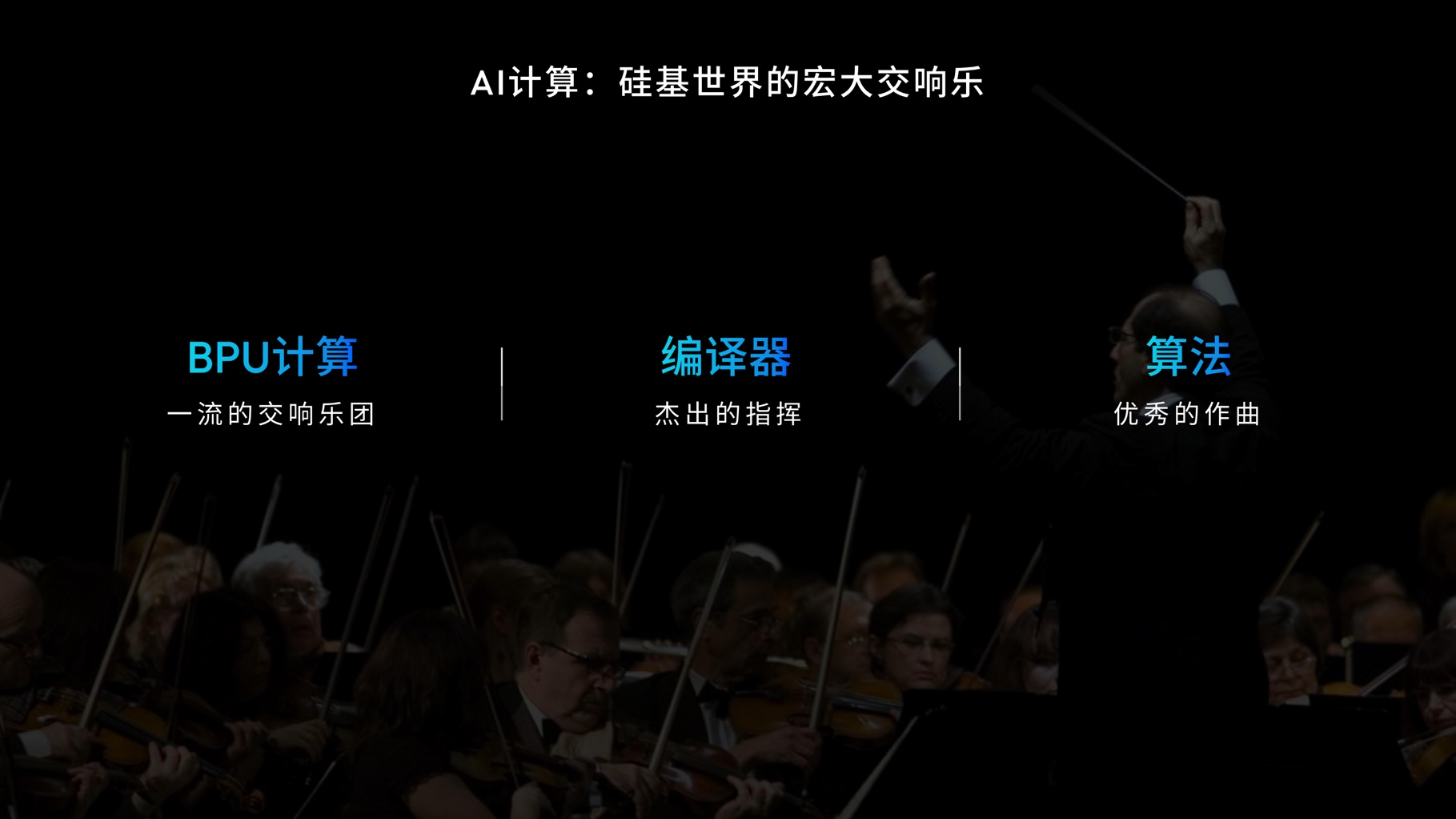
地平线 HSD 高阶智能驾驶的量产标志着可用且好用的城区辅助驾驶正式进入了 15 万元以下的区间,其推出覆盖产品开发全周期的算法服务模式,包括数据服务与艾迪 SaaS 平台、专业的算法适配工程与咨询服务,以及最核心的基座模型授权。这种模式给生态伙伴们提供了多种灵活选择。地平线的软硬一体合作模式「HSD Together」,不仅包括长安、奇瑞等主机厂,还包括日本电装、大众 Carizon、博世等头部 Tier1 供应商。地平线通过 HSD 的量产和全新商业模式的提出,为合作伙伴提供了「白盒」交付,帮助他们在训练环节里少踩坑、少做不必要的随机试验,从而在人力、算力、时间三个维度上节约和提效超过 90%。这有助于拓展智能驾驶技术的「广度」,为更多车企提供追赶甚至超越特斯拉的机会。
企业级智能体落地,谁没踩这四种大坑?无问芯穹的系统性解法来了
企业级智能体的落地过程中,存在四个常见的大坑:技术实现不成熟、应用场景匹配不当、数据安全风险高、组织变革困难。无问芯穹通过系统性解决方案,帮助企业避免这些陷阱。该解决方案强调技术与业务的紧密结合,确保智能体能够有效解决实际问题;同时,提供全面的数据保护措施,以应对数据安全挑战;此外,无问芯穹还注重企业内部组织架构的调整,确保智能体的顺利部署和运行。无问芯穹的系统性解法旨在帮助企业实现智能体的高效落地,推动业务创新与发展。
50万个AI生成的应用,正在赚钱
累计服务超1000万用户,撬动经济与效率价值超50亿元,AI生成的应用正在成为新的经济增长点。这些应用不仅为企业提供了自动化解决方案,提高了工作效率,还为用户提供个性化服务,满足了多样化需求。AI生成的应用涵盖了从简单的日常任务自动化到复杂的数据分析和预测,广泛应用于金融、医疗、教育等多个行业。随着AI技术的不断进步和应用场景的拓展,AI生成的应用有望在未来带来更大的经济价值和社会效益。
存储巨头掀桌,SK 海力士的新杀招
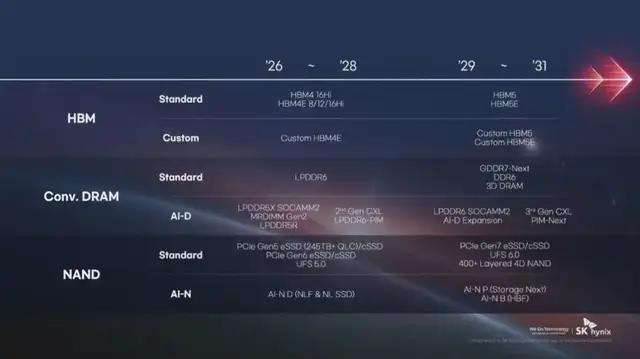
存储和 AI 的绑定越来越紧密,SK 海力士作为存储行业的巨头,正在通过一系列创新举措应对市场变化。SK 海力士的新杀招包括优化存储架构、提升存储效率以及加强与 AI 技术的融合。通过这些举措,SK 海力士旨在提供更高效、更智能的存储解决方案,以满足日益增长的数据存储和处理需求。随着 AI 技术的发展,SK 海力士正在积极布局未来市场,确保其在存储行业的领先地位。
总结
今日的AI领域新闻主要集中在AI在企业级应用中的新发展。Zencoder推出的Zenflow为软件开发带来了新的AI协作方法,通过多模型验证和结构化工作流提高了代码质量。Zoom则通过集成现有AI模型,取得了AI基准测试中的高分,引发了业界对于AI模型集成和创新的讨论。此外,英特尔和地平线分别在AI NAS和智能驾驶领域进行了新的尝试,希望通过AI技术提升数据管理和驾驶辅助的能力。这些进展表明,AI技术正在不断扩展其在不同行业中的应用范围,并推动着技术生态的进一步发展。
作者:Qwen/Qwen2.5-32B-Instruct
文章来源:VentureBeat, 钛媒体, 量子位, 极客公园
编辑:小康