
本文字数:约 7200 字,预计阅读时间:15 分钟
MIT offshoot Liquid AI releases blueprint for enterprise-grade small-model training
Liquid AI, a startup founded by MIT computer scientists, introduced its Liquid Foundation Models series 2 (LFM2) in July 2025. The initial release included models with 350M, 700M, and 1.2B parameters, showcasing a hybrid architecture heavily reliant on gated short convolutions. The key highlight was the company's focus on training and inference efficiency, positioning small models as a serious alternative to large language models (LLMs) like OpenAI's GPT series and Google's Gemini.
Since the launch, Liquid has expanded the LFM2 into a broader product line, incorporating domain-specialized variants and a deployment stack named LEAP. The company has now published a 51-page technical report on arXiv, detailing the architecture search process, training data mixture, distillation objective, curriculum strategy, and post-training pipeline.
This detailed blueprint is designed to be a repeatable recipe for training small, efficient models, tailored to specific hardware and deployment constraints. The architecture search is performed directly on target hardware, ensuring a predictable, operationally portable, and feasible design for on-device AI. The post-training pipeline is optimized for instruction-following and tool use, enhancing the model's reliability and practicality for enterprise AI developers.
The LFM2 report presents a systematic approach to designing models that enterprises can deploy effectively, focusing on real-world constraints rather than academic novelty. The training pipeline is designed to compensate for smaller model sizes with structured approaches, ensuring reliable instruction-following and tool-use behavior.
The future of enterprise AI is depicted as a hybrid local-cloud orchestration, where small, fast models handle critical tasks on devices, while larger models in the cloud provide heavyweight reasoning when needed. LFM2 provides a modular, reproducible, open, and operationally feasible foundation for agentic systems that can run anywhere, from phones to secure facilities. This marks a significant architectural convergence in enterprise AI, moving towards a hybrid future that leverages both cloud and edge computing.

DeepSeek just dropped two insanely powerful AI models that rival GPT-5 and they're totally free
Chinese artificial intelligence startup DeepSeek has released two powerful new AI models, DeepSeek-V3.2 and DeepSeek-V3.2-Speciale, that claim to match or exceed the capabilities of OpenAI's GPT-5 and Google's Gemini-3.0-Pro. The release marks a significant milestone, particularly given the restrictions imposed on China's access to advanced AI hardware.
At the heart of DeepSeek's release is the Sparse Attention (DSA) mechanism, which dramatically reduces the computational burden of running AI models on long documents and complex tasks. This innovation allows DeepSeek's models to process lengthy sequences with substantial cost reductions compared to previous models.
The benchmark results are striking, with DeepSeek's models performing competitively on mathematics, coding, and reasoning tasks. For instance, on the AIME 2025, a prestigious American mathematics competition, DeepSeek-V3.2-Speciale achieved a 96.0% pass rate, surpassing GPT-5 and Gemini-3.0-Pro. On coding benchmarks, DeepSeek's model outperformed GPT-5-High, demonstrating superior performance on complex coding workflows.
DeepSeek's open-source release under the MIT license allows any developer, researcher, or company to freely download, modify, and deploy the models. This could disrupt the AI industry's business model, particularly for companies charging premium API prices for similar capabilities.
However, regulatory walls are rising against DeepSeek, with European and American authorities expressing concerns over data privacy and national security. The company's ability to match American frontier models at a fraction of the cost challenges assumptions about the resources required for AI leadership.
DeepSeek's release represents a significant advancement in the AI race between the United States and China, showcasing that open-source models can achieve frontier performance and that efficiency innovations can slash costs dramatically. The question now is whether American companies can maintain their lead when their Chinese rival gives comparable technology away for free.

OpenAGI emerges from stealth with an AI agent that it claims crushes OpenAI and Anthropic
OpenAGI, a stealth AI startup founded by an MIT researcher, has released Lux, a foundation model designed to operate computers autonomously by interpreting screenshots and executing actions across desktop applications. Lux achieves an 83.6% success rate on the Online-Mind2Web benchmark, significantly surpassing OpenAI's Operator and Anthropic's Claude Computer Use.
OpenAGI's claimed performance advantage stems from its "Agentic Active Pre-training" methodology, which trains the model on computer screenshots paired with action sequences. This approach enables the model to interpret visual interfaces and determine the necessary actions to accomplish tasks, potentially offering a significant cost advantage over competitors.
Lux's ability to control applications across an entire desktop operating system, not just web browsers, is a critical distinction. The model is also being optimized for edge devices in collaboration with Intel, allowing it to run locally on laptops and workstations without requiring cloud infrastructure.
Safety mechanisms are built into Lux to prevent harmful actions, such as copying sensitive information or executing dangerous requests. OpenAGI is releasing a developer SDK alongside the model, enabling third parties to build applications on top of Lux.
The technology industry has seen small teams with innovative ideas outmaneuver the giants before, and if Lux performs in the wild as it does in the lab, it could suggest that the path to capable AI agents runs not through the largest checkbooks but through the cleverest architectures.

豆包 AI 手机要卖给谁?
字节跳动豆包团队发布豆包手机助手技术预览版,旨在通过AI Agent打通APP之间的交互逻辑,重构移动互联网的交互方式。豆包手机助手基于豆包大模型的能力和手机厂商的授权,能够在操作系统层面实现更方便的交互和更丰富的体验。
现阶段,开发者和科技爱好者可以在与中兴合作的工程样机 nubia M153 上体验技术预览版本。该版本面向开发者和科技爱好者少量发售,售价 3499 元。豆包手机助手的出现,试图解决“操作手机”的稳定性难题,定义 AI 时代的“iPhone 时刻”。
豆包手机助手的亮点在于其“看懂屏幕”并模拟人类操作的能力,这得益于豆包大模型在多模态能力上的积累。用户可以直接对话,描述需求,AI 会根据意图自动判断是否调用 AI Agent 能力,执行任务。虽然仍处于技术预览阶段,但这种深入操作系统底层、追求“意图直达服务”的尝试,具有革新意义。
豆包选择了不做硬件、只做生态的策略,与多家手机厂商合作,将大模型能力植入不同品牌的机型中。这种“手机厂商 + 大模型厂商”的深度耦合,成为行业新趋势。通过与硬件的深度整合,AI Agent 可以接管更复杂的任务,感知更丰富的上下文,发挥更多真实的功能。

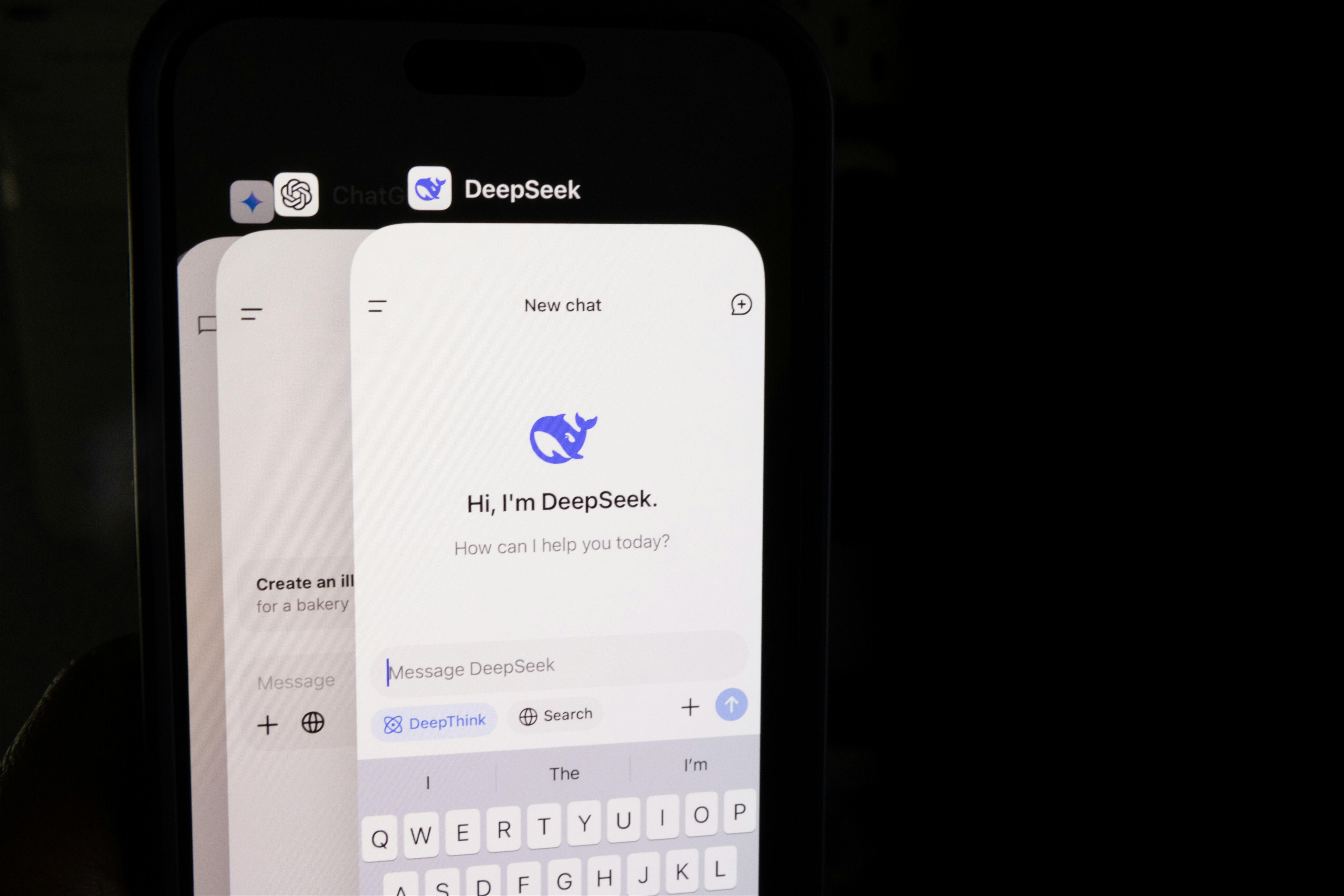
DeepSeek发布最强开源新品,瞄向全能Agent,给GPT-5与Gemini 3下战书
DeepSeek发布了最新的开源AI模型,性能直接对标Gemini-3.0-Pro。新模型注重在计算效率、推理能力与智能体性能之间的平衡,为开源社区提供了强大的工具。DeepSeek的DS技术突破了计算成本,使得开源模型能够实现前沿性能。
ByteDance Joins Hands with ZTE to Integrate Doubao AI Agent into Smartphones
字节跳动豆包团队与中兴合作,将AI助手集成到智能手机中。字节跳动不计划开发自己的智能手机,而是专注于操作系统层面的集成,通过与多家手机制造商合作,推动AI助手的广泛部署。这种策略旨在通过技术合作,实现更广泛的市场覆盖。

字节“豆包手机”刚开卖,吉利系进展也曝光了:首月速成200人团队,挖遍华为小米荣耀
字节跳动豆包手机的发布标志着AI在移动设备上的新应用。与此同时,吉利系也在AI领域迅速布局,组建了200人的团队,从华为、小米、荣耀等公司挖来人才,为未来的AI应用奠定基础。
DeepSeek-V3.2系列开源,性能直接对标Gemini-3.0-Pro
DeepSeek-V3.2系列模型开源,性能对标Gemini-3.0-Pro,展示了开源模型在计算效率和性能上的突破。该模型的发布为开源社区提供了强大的工具,推动了AI技术的进一步发展。
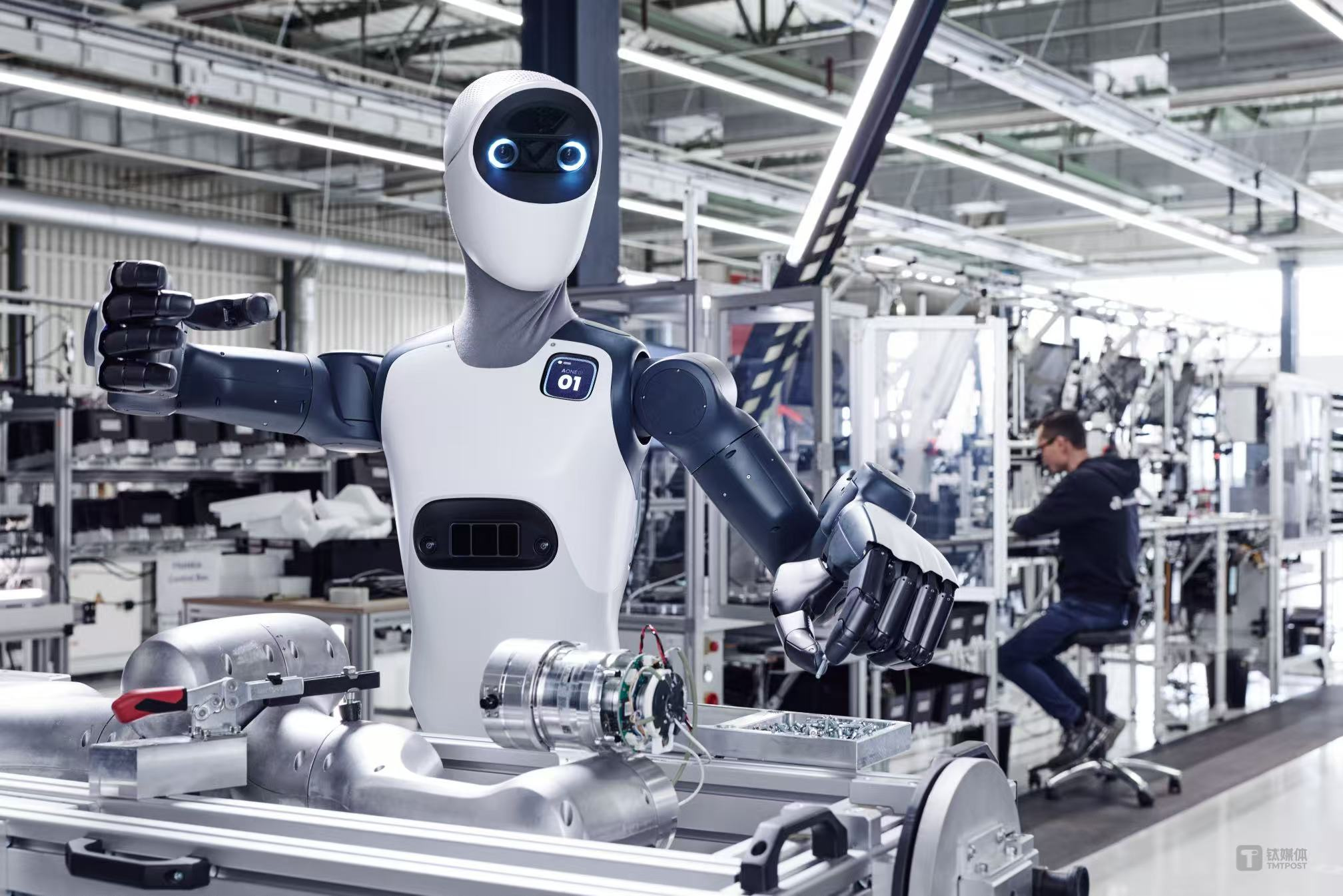
蛰伏后的爆发:思灵机器人从工业场景迈向物理AI
思灵机器人从工业场景出发,逐步迈向物理AI领域。其技术积累和应用场景的拓展,正朝着通用型智能机器人的终极目标迈进。
20亿加码子公司、国资陆续离场,沃森生物弃权票背后的周期挑战与战略权衡丨并购一线
沃森生物通过强化核心资产控制权的操作,应对国资退出的现实,同时面临资金链和战略布局的挑战。这一操作反映了公司在周期性挑战中的战略权衡。

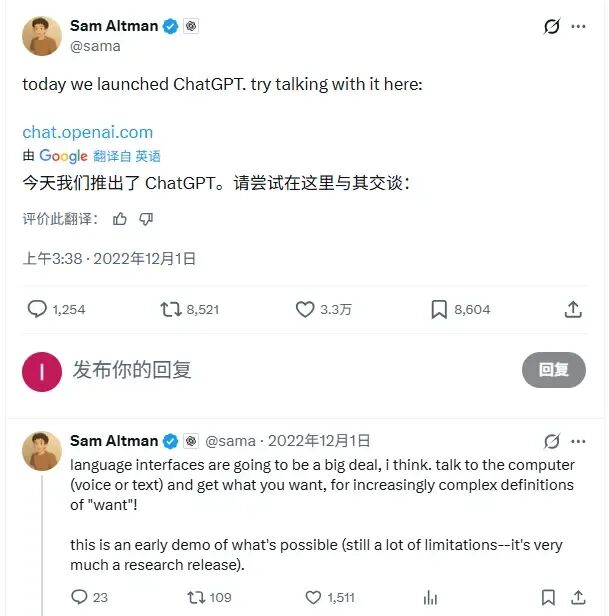
ChatGPT三周年,那个“对话模型”如何重构我们的世界
ChatGPT自发布以来,已经从一个简单的聊天框演变为定义时代的数字物种。三年间,它在全球范围内掀起科技海啸,重新定义了人机交互的方式,影响了各行各业的发展。
外卖大战,必定会打下半场
外卖大战的下半场已经开启,平台间的竞争策略和心态都在发生变化。行业进入新的竞争阶段,平台们纷纷调整策略,以应对市场的新挑战。

总结
今日的AI领域报道主要集中在企业级AI模型的开发和应用上。Liquid AI的LFM2系列模型展示了小规模模型在企业级应用中的潜力,强调了训练和推理效率的重要性。DeepSeek发布了与GPT-5和Gemini-3.0-Pro媲美的开源模型,突出了计算效率的提升。OpenAGI的Lux模型展示了在操作计算机任务上的突破性表现,为桌面应用提供了更强大的AI助手。此外,豆包手机助手和思灵机器人等项目展示了AI在移动设备和物理机器人领域的应用进展。这些报道揭示了AI技术在各个领域的不断进步和广泛应用,尤其是在优化模型性能和拓展应用场景方面。
作者:Qwen/Qwen2.5-32B-Instruct
文章来源:VentureBeat, 钛媒体, 量子位, 极客公园, 机器之心
编辑:小康